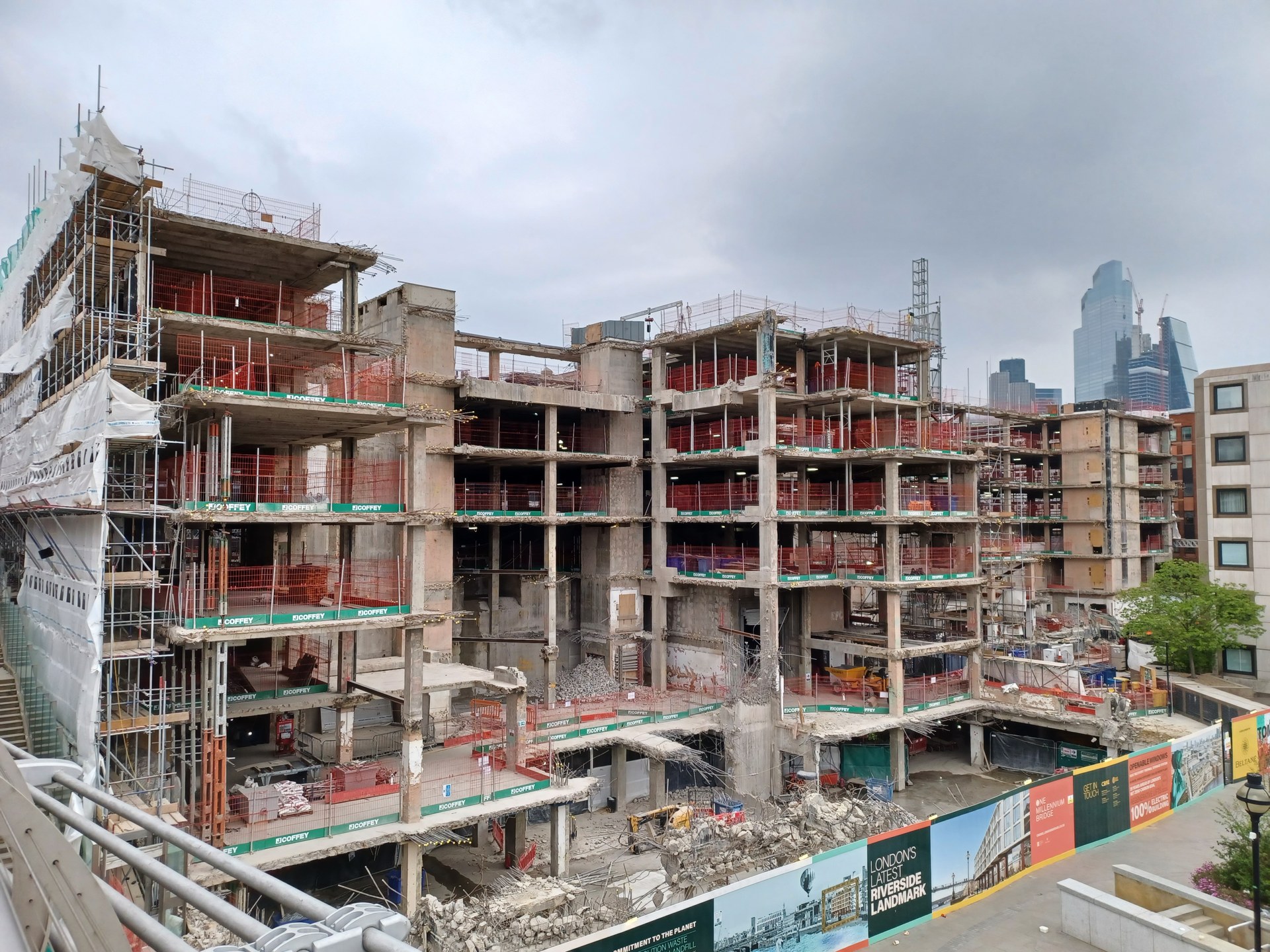

Managed clearance and strip-out for commercial landlords, managing agents, asset managers, developers and facilities teams, with a defined scope and handover standard.
Agreed package scope
- Office and retail-unit clearances
- Warehouse and light-industrial clearances
- Commercial lease-end strip-outs
- Dilapidations-related removal works
- Vacant-unit clearance before marketing or letting
- Obsolete tenant installations
- Furniture and equipment clearance
- Preparation for refurbishment or reinstatement
- Multi-site clearance programmes
Lease-end works with clear boundaries
Lease obligations, landlord instructions and a schedule of dilapidations may specify removal or reinstatement. The property team should establish the required outcome and permissions; clearance alone does not constitute legal advice or confirmation that a tenant’s obligations have been discharged.
Identify landlord-owned fixtures, retained installations, shared services and items to be salvaged. Refrigeration, electrical equipment, chemicals and other non-routine materials need appropriate specialist assessment rather than being bundled into general waste.
Prepare the unit for its next use
A vacant office may require furniture clearance and selected fit-out removal. A shop may need counters, shelving and redundant tenant installations taken out while retaining the shopfront or landlord services. Industrial units can require removal of obsolete equipment and materials, with heavy or specialist dismantling separately assessed.
Agree the handover condition, areas excluded, access arrangements, retained elements and reinstatement responsibilities before quotation. We can link clearance with soft strip, controlled internal removal and construction-waste management where the assessed scope permits.
Single assets and portfolio programmes
Managing agents and facilities providers can issue a site-specific scope or a schedule across several units. Each location needs its own access, occupancy, survey and material information; a common reporting format can be agreed for programme administration.
This is a managed commercial package, not a domestic rubbish-collection service. Early discussions are welcome where the extent of removal or next tenant’s specification is still being developed.
Commercial control
Review the tender information
Drawings, specifications, schedules, surveys and the proposed handover condition establish what is to be removed and what is to remain.
Resolve the site constraints
Access, services, occupancy, working hours, survey limitations and waste types are reviewed before pricing.
Issue an itemised return
Labour, supervision, protection, segregation, removal and handover are identified in the agreed package, with exclusions and provisional items stated.
Agree the programme and interfaces
Isolations, specialist appointments, approvals, collection windows and follow-on trades are coordinated with the principal contractor.
Deliver and hand over
Removal follows the agreed arrangements. Waste movements are documented and the specified handover condition is checked with the project team.
Surveys, services and retained structure
The removal schedule is reviewed against relevant pre-construction information under the CDM Regulations 2015. Refurbishment/demolition asbestos surveys should cover the areas and fabric affected by intrusive works, with limitations resolved before work starts. Service identification, authorised isolation and competent disconnection are agreed with the responsible parties, not assumed from a vacant building.
Structural demolition, load-bearing alterations, temporary works and major concrete or steel demolition are separately assessed specialist packages. Suitable engineering, competent specialists, approvals and management arrangements must be established before an appointment is accepted.
Apsley does not advertise licensed asbestos removal. Suspected asbestos is not treated as ordinary demolition waste; any required surveying or removal must be arranged through appropriately competent specialists, including licensed contractors where the work requires a licence.
Method, access and site controls
Package-specific risk assessments and method statements address sequencing, safe access, manual handling, dust, noise, retained finishes and public or tenant interfaces. Occupied premises may need agreed segregation, working hours and phased handovers. Temporary works, permits and notifications depend on the scope and site; not every document or approval applies to every project.
Waste movements and duty of care
The site currently records waste carrier registration CBDL508213. Its current status, registration tier and suitability for the proposed activities must be confirmed during procurement. Registration as a carrier does not authorise waste treatment or disposal.
Waste is classified and segregated as appropriate, with suitable containment and authorised destinations identified before removal. Non-hazardous transfers require appropriate waste transfer documentation; hazardous waste may require consignment documentation and specialist arrangements. Reuse, recovery and recycling are considered where practical, without promised diversion percentages.
Skip, container, grab or tipper arrangements are sourced through appropriate suppliers to suit access, loading and waste types. We do not claim an owned skip fleet, processing facility, landfill or recycling centre.
Compliance and company documentation
Procurement questions
Can you clear a unit before marketing or letting?
Yes, subject to scope review. Specify the items to remove, retained elements, survey information, access and the intended handover condition.
Can clearance be linked to dilapidations work?
Removal and strip-out can be priced against an agreed schedule. Legal lease interpretation and confirmation of obligations remain with the client’s advisers.
Can equipment be removed with ordinary furniture?
Not always. Heavy, electrical, refrigerant-containing or potentially hazardous equipment needs separate assessment and suitable specialist handling or disposal arrangements.