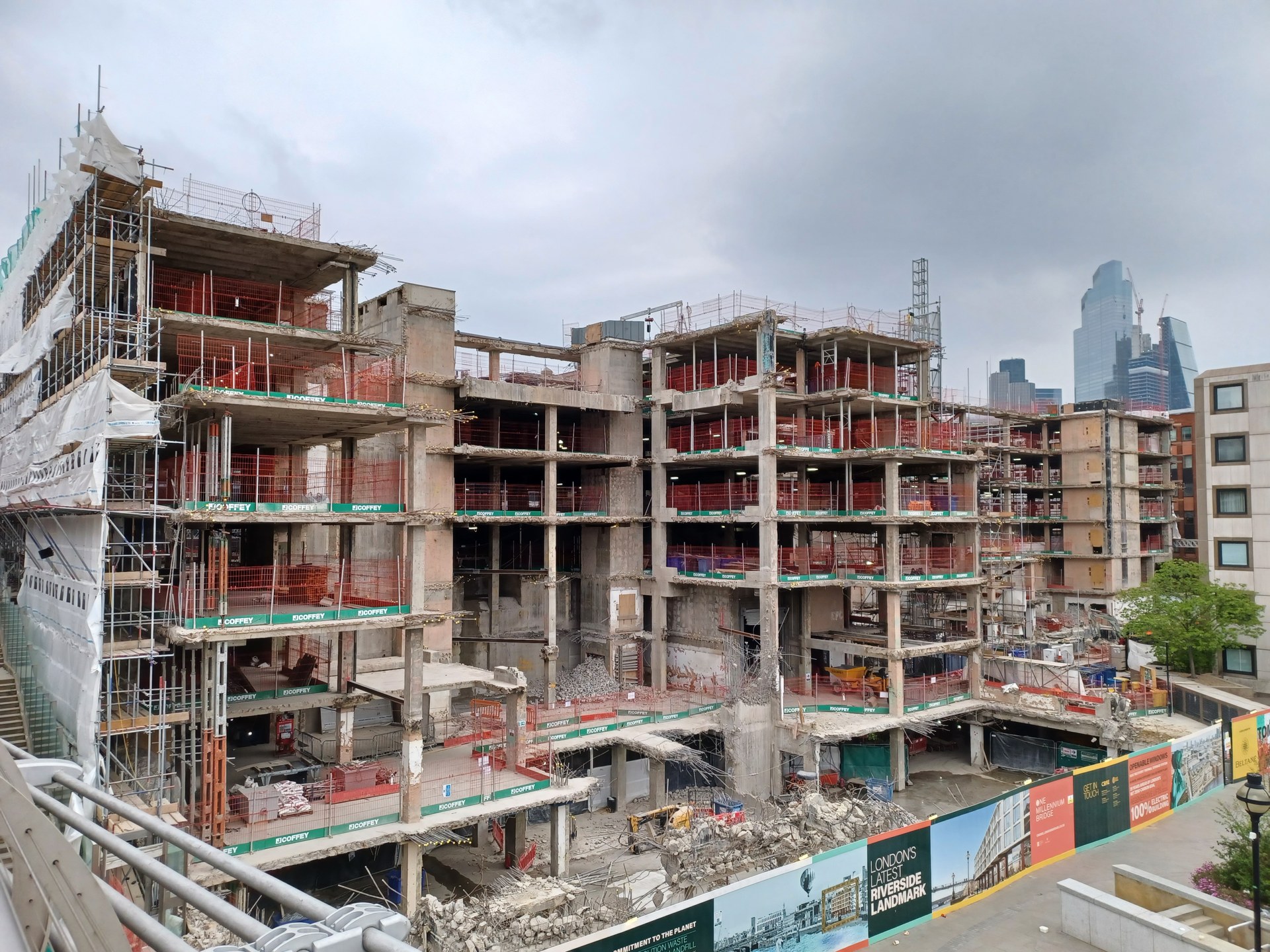

Early enabling works establish the conditions for the main construction phase. Clearance, service preparation, selective removal and waste routes should be planned as programme interfaces, not last-minute preliminaries.
Apsley Contracting assesses commercial requirements in London and the South East. See our demolition and waste service for scope and tender enquiries.
Establish the site before the next trade
Site clearance can include vegetation, obstructions, temporary access and agreed set-up works. Building-based enabling may involve soft strip and controlled internal removal. These are related but distinct scopes.
The existing Site Clearance & Enabling Works service connects early groundworks preparation to the wider construction programme. Structural or specialist removal requires separate assessment.
Use pre-construction information early
Review surveys, service records, retained-structure information and access constraints before committing to a removal sequence. Relevant CDM Regulations 2015 duties and responsibilities depend on the project arrangements.
Resolve asbestos survey limitations, service isolation responsibilities and temporary works requirements before mobilisation. Missing information should be identified in tender clarifications rather than hidden in assumptions.
Coordinate waste and access interfaces
Collections, containers and debris routes need space that may also be required by excavation, deliveries and follow-on trades. Agree loading windows, protection and phased clearance with site management.
Excavation spoil belongs to the groundworks-focused Muck Away & Site Waste scope; mixed refurbishment and fit-out waste needs a construction-waste plan suited to its material streams.
Specify the next-phase handover
Identify the levels, areas, retained fabric, service condition and records needed by the next contractor. Handover checks should verify the agreed condition rather than assume removal alone completes the package.
Combining strip-out, segregation, haulage and clearance can reduce package interfaces and improve commercial clarity, but does not justify an unsupported claim of guaranteed savings or programme reductions.
Discuss your scope or issue an ITT
Send the project location, removal schedule, drawings, relevant surveys, access constraints and intended programme. We will review the requirements and confirm the next steps.
Use the quick enquiry for an early discussion or submit a developed tender pack through our Demolition & Waste enquiry.